Explore Travel Narratives
Representative Books
- The Mentor: The Virgin Islands of the United States of America, Vol. 6, Num. 13, Serial No. 161, August 15, 1918 — A Reader’s Guide
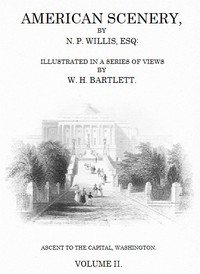
- American Scenery, Vol. 2 (of 2) or, Land, lake, and river illustrations of transatlantic nature — Reading Companion
- American Scenery, Vol. 1 (of 2) or, Land, lake, and river illustrations of transatlantic nature — Key Ideas to Explore
Show 6 more books
- The Sunny South: An Autumn in Spain and Majorca — Background and Themes
- Pedal and Path: Across the Continent Awheel and Afoot — Themes and Context
- Through South America — Edition Insights
- The Mentor: The Mediterranean, Vol. 1, Num. 39, Serial No. 39, November 10, 1913 — Reading Companion
- The Mentor: Venice, the Island City, Vol. 1, Num. 27, Serial No. 27 — Reading Companion
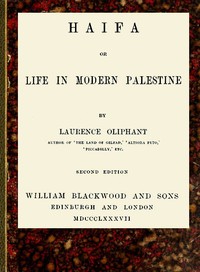
- Haifa; or, Life in modern Palestine — Story, Setting & Ideas
Authors Represented
Travel Narratives - eBooks
10 Books foundTravel Narratives
This category currently contains 10 active public-domain works in the catalogue. The overview on this page is based on the books currently assigned to Travel Narratives, so its counts and examples stay aligned with the live catalogue.
Subjects represented in this category
Frequently represented source subjects include United States -- Description and travel, Venice (Italy) -- Description and travel, Canada -- Description and travel, United States Virgin Islands -- Description and travel, Spain -- Description and travel, and Majorca (Spain) -- Description and travel. These subject labels come from the source metadata attached to the books and are intended as browsing aids rather than exhaustive descriptions.
Reading scope
Among books with measurable source text, lengths range from approximately 9,518 to 148,395 words, with a median of about 63,633 words. These figures describe reading scope only and are not quality rankings.
Examples from the current catalogue
Source-text length: approximately 9,518 words.
Source-text length: approximately 113,133 words.
Source-text length: approximately 14,327 words.
Classification notes
Category assignment is used to make the collection easier to browse. A work may overlap with other subjects, periods, or forms of writing, so the category should be read as a navigational classification rather than a definitive literary judgment.
- Featured
- Featured