Explore Places Peoples
Representative Books
- The Mentor: Bolivia, vol. 5, Num. 18, Serial 142, November 1, 1917 — Reading Companion
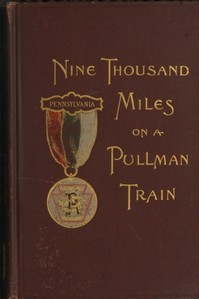
- Nine Thousand Miles on a Pullman Train An Account of a Tour of Railroad Conductors from Philadelphia to the Pacific Coast and Return — Key Ideas to Explore
- Washington, its sights and insights [1909] — Text and Context
Show 6 more books
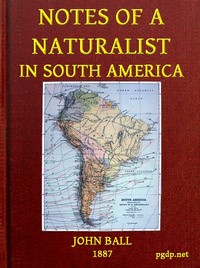
- Notes of a naturalist in South America — Inside the Classic
- Frank's Ranche; Or, My Holiday in the Rockies Being a Contribution to the Inquiry into What We Are to Do with Our Boys — Story, Setting & Ideas
- Sketches of St. Augustine With a view of its history and advantages as a resort for invalids — Key Ideas to Explore
- About Paris — Inside the Classic
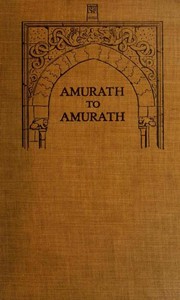
- Amurath to Amurath — Reading Notes
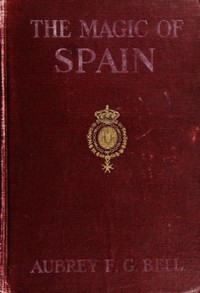
- The Magic of Spain — Edition Insights
Authors Represented
Places Peoples - eBooks
10 Books foundPlaces Peoples
This category currently contains 10 active public-domain works in the catalogue. The overview on this page is based on the books currently assigned to Places Peoples, so its counts and examples stay aligned with the live catalogue.
Subjects represented in this category
Frequently represented source subjects include United States -- Description and travel, Bolivia -- Description and travel, Railroad travel -- United States, Washington (D.C.) -- Description and travel, South America -- Description and travel, and Plants -- South America. These subject labels come from the source metadata attached to the books and are intended as browsing aids rather than exhaustive descriptions.
Reading scope
Among books with measurable source text, lengths range from approximately 13,797 to 144,540 words, with a median of about 48,812 words. These figures describe reading scope only and are not quality rankings.
Examples from the current catalogue
Source-text length: approximately 13,797 words.
Source-text length: approximately 66,005 words.
Source-text length: approximately 48,812 words.
Classification notes
Category assignment is used to make the collection easier to browse. A work may overlap with other subjects, periods, or forms of writing, so the category should be read as a navigational classification rather than a definitive literary judgment.
![Cover of Washington, its sights and insights [1909] — Text and Context](https://wuuak.com/storage/media/covers/pg52202.jpg)