
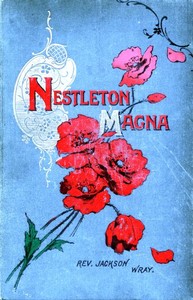
Nestleton Magna: A Story of Yorkshire Methodism by J. Jackson Wray
Let's set the scene. It's the 19th century in a small Yorkshire village where everyone knows their place. The local church and the manor house have set the rhythm of life for generations. Then, a young man named Paul Liddell shows up. He's a Methodist preacher, full of passion for a faith that feels more personal and direct than the formal services at the parish church. He starts holding meetings in cottages and fields, and something remarkable happens: people listen.
The Story
The plot follows the ripple effects of Paul's arrival. We see the story through the eyes of various villagers. There's the skeptical farmer who thinks it's all nonsense, the weary laborer who finds new hope, and the local squire who sees the meetings as a threat to the established order. Friendships are tested. Some families are split right down the middle, arguing over this new 'enthusiasm.' The conflict isn't violent, but it's deeply felt. It's about respect, tradition, and the terrifying, exciting possibility of change. The book shows how a spiritual idea becomes a social event, challenging the very fabric of a community that thought it was set in stone.
Why You Should Read It
This book surprised me. I expected a straightforward religious tale, but it's really a character study of a whole village. J. Jackson Wray, who lived through this era, writes with genuine affection for these people. He doesn't make the Methodists all saints or the traditionalists all villains. He shows the fear, the excitement, the stubbornness, and the courage on all sides. The real theme isn't who's right, but what happens to people when their deepest beliefs are questioned. You get completely drawn into their daily struggles and small triumphs.
Final Verdict
This is a perfect pick for anyone who loves historical fiction that focuses on social change and community dynamics. If you enjoyed the village life of an author like Miss Read but wanted more historical grit and conflict, you'll find it here. It's also a great, human-scale entry point for understanding the Methodist movement without reading a textbook. Fair warning: the language is of its time (it was published in the 1880s), so it takes a page or two to settle into the rhythm. But once you do, Nestleton Magna feels like a place you've visited, and its people stay with you long after the last page.
This publication is available for unrestricted use. Share knowledge freely with the world.
Christopher Jones
3 weeks agoExtremely helpful for my current research project.
John Miller
7 months agoLooking at the bibliography alone, the level of detail in the second half of the book is truly impressive. It’s a comprehensive resource that doesn't feel bloated.
Paul Lee
1 year agoHaving explored several resources on this, I find that the insights into future trends are particularly thought-provoking. A solid investment for anyone's personal development.
Matthew Miller
1 year agoGiven the current trends in this field, the language used is precise without being overly academic or confusing. A trustworthy resource that I'll keep in my digital library.




Donald Garcia
1 year agoI appreciate the objective tone and the evidence-based approach.