
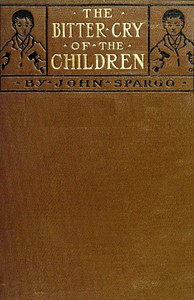
The Bitter Cry of the Children by John Spargo
Published in 1906, 'The Bitter Cry of the Children' is a piece of investigative journalism that shocked a nation. Author and socialist reformer John Spargo didn't rely on second-hand reports. He put on old clothes and went to see the horror for himself.
The Story
There isn't a traditional plot with characters, but there is a clear journey. Spargo takes us into the darkest corners of American industry at the turn of the 20th century. We follow him into Pennsylvania coal breakers, where 'breaker boys' as young as eight or nine sit for 10-hour days, picking slate from coal, breathing in black dust that ruins their lungs. We stand with him in glass factories, watching small boys, called 'carrying-in boys,' dart between furnaces and moving machinery, their job so dangerous that burns and cuts were just part of the workday. He visits tenements where children, after those brutal shifts, come home to cold, crowded rooms with little food. The 'story' is the relentless cycle of poverty, exploitation, and stolen youth that Spargo documents with cold, hard facts and heartbreaking detail.
Why You Should Read It
This book is important, but I recommend it because it's visceral. History books give you dates and numbers. Spargo gives you the image of a child's hands, permanently stained black from coal, or the sound of a young girl's cough from textile mill fibers. His anger and compassion bleed through every page. He argues that this isn't just an economic issue, but a moral one—a betrayal of the most vulnerable. Reading it, you understand exactly why the Progressive Era caught fire. It’s impossible to read his account of a child falling asleep from exhaustion into a dangerous machine and not feel a surge of outrage. It connects the dots between policy and real human suffering in the most direct way possible.
Final Verdict
Perfect for readers interested in the roots of social justice, labor history, or the power of journalism to drive change. It's a tough read emotionally, but a crucial one. If you liked the muckraking spirit of Upton Sinclair's The Jungle, this is its essential companion, focusing squarely on the kids. Be warned: it will make you angry, and it should. It's a stark reminder of how far we've come, and a challenge to look at the injustices we might be overlooking today.
This masterpiece is free from copyright limitations. Preserving history for future generations.
Michael Thomas
1 month agoI stumbled upon this title during my weekend research and the argument presented in the middle section is particularly compelling. This is a solid reference for both beginners and experts.