
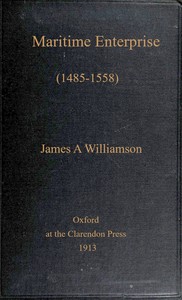
Maritime enterprise, 1485-1558 by James A. Williamson
Forget the simplified timeline. James A. Williamson's classic work zooms in on the transformative period from the start of the Tudor dynasty to the reign of Mary I. This isn't a narrative of kings and queens, but of timber, trade winds, and towering ambition.
The Story
Williamson argues that England's rise wasn't sudden. It was a slow, deliberate, and often precarious build. He starts with a country that had little presence in the great Atlantic discoveries. Then, he walks us through the critical steps: the early, tentative fishing voyages to Newfoundland; the growing expertise in shipbuilding that created vessels capable of ocean travel; the vital (and legally dubious) trade with Portuguese and Spanish colonies; and the rise of a new class of merchant-adventurers in cities like Bristol and London. The book shows how figures like the Cabots, John Hawkins's father, and countless unnamed captains chipped away at Iberian dominance through a mix of exploration, trade, and outright piracy, all while the Tudor monarchy alternately encouraged and restrained them for political reasons.
Why You Should Read It
What makes this book stand out is its focus on enterprise. Williamson makes you feel the economic pressure and the incredible risk. You see the world through the eyes of an investor calculating profits, a sailor facing an uncharted ocean, and a monarch balancing treasury needs with foreign diplomacy. He strips away the later glory of the Elizabethan era to show the gritty, foundational work. You get a clear sense that this 'Golden Age' was built on decades of trial, error, smuggling, and sheer stubbornness. It’s a powerful reminder that history is driven as much by commerce and technology as by royal decrees.
Final Verdict
Perfect for history buffs who feel they know the 'what' but want to understand the 'how.' If you love tales of Elizabethan seadogs but wonder where they came from, this is your prequel. It's also great for anyone interested in the roots of globalization and how nations climb the economic ladder. Be warned: it's a serious, detailed history book, not a swashbuckling adventure novel. But if you give it a chance, it will completely change how you see the 16th century and the birth of the modern world. Think of it as the essential backstory to every pirate movie and naval history you've ever enjoyed.
The copyright for this book has expired, making it public property. It serves as a testament to our shared literary heritage.





Paul Perez
1 year agoRecommended.